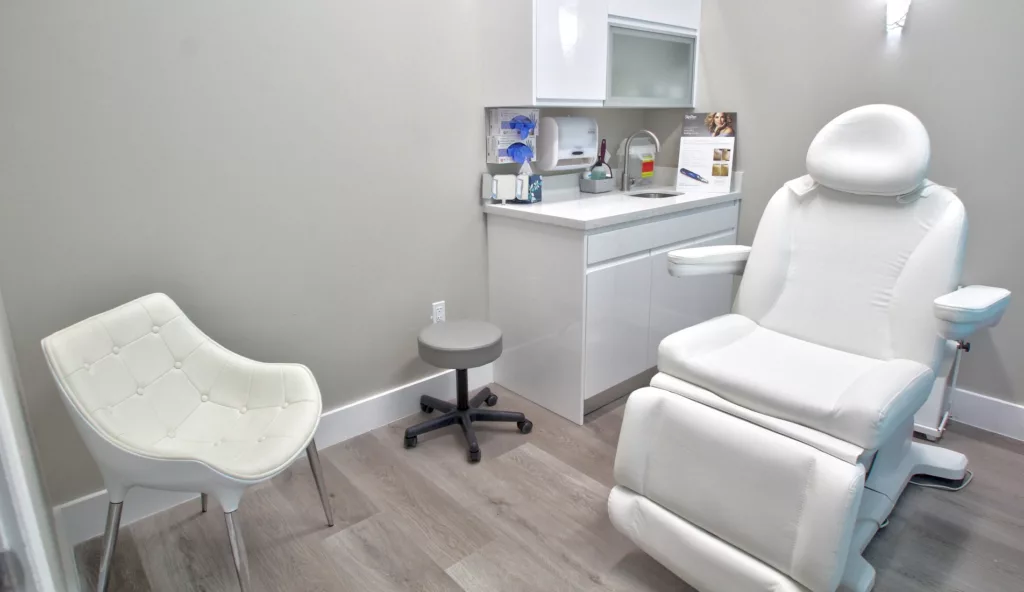
A well-planned MedSpa exit starts 3 years before the sale date – not 3 months. Owners who use that window to reduce owner-dependence, diversify revenue, and clean up their financials consistently achieve EBITDA multiples of 5-7x. Owners who wait until they’re ready to walk out typically land at 3-4x, or less.
Why the 3-Year Window Changes Your Multiple
The difference between a 4x sale and a 7x sale is rarely luck or timing. It’s preparation. Buyers apply higher multiples to practices that demonstrate predictable revenue, operational independence, and clean documentation. Those qualities take 2-3 years to build.
Three factors drive the gap between a median outcome and a top-of-market sale. First, owner-dependence: how much revenue leaves if you do. Second, revenue predictability: how consistent your numbers are across months and years. Third, documentation: whether a buyer can verify what you’re telling them.
If you’re 3 years from an intended exit, you have time to move all three. If you’re 6 months out, you’re selling the practice you have.
Want to know where your practice stands today? PTG’s free MedSpa valuation calculator gives you a baseline estimate based on your current numbers.
Building a Practice That Runs Without You
Owner-dependence is the single most common valuation suppressor in MedSpa transactions. When a practice owner generates 60-70% of revenue personally, a buyer faces a real transition risk: what happens to that revenue after you leave? That question gets priced into the multiple.
Buyers want to see owner-generated revenue at 20-30% of total – not because they don’t value your skills, but because a practice at that ratio has demonstrated it can sustain itself. Single-provider practices with no associate coverage frequently struggle to achieve even 2x EBITDA because transition risk is too high to justify more.
Getting from 60% to 20% takes time. It requires training skilled associate providers, building management depth so operations don’t route through you, and developing standardized protocols that allow consistent service delivery across your team. None of that happens in 90 days.
Financial Metrics Buyers Scrutinize
Buyers don’t value a MedSpa on revenue alone. They model EBITDA and get there by evaluating how efficiently you generate it. The benchmarks that consistently appear in acquisition conversations:
Revenue: The industry average for a MedSpa runs around $1.7 million per year. Below that, your buyer pool narrows. Above $2.5 million, you start attracting PE groups and platform buyers who pay premium multiples for the right practice.
Cost of goods: Well-run MedSpas keep COGS below 30-40% of revenue. Higher than that suggests pricing or inventory problems that compress EBITDA.
Labor costs: Target below 50% of revenue. When labor climbs above that threshold, it compresses margins in ways that are hard to reverse quickly.
Profit margins: The range that supports strong multiples is 25-30%. Practices outside that range get discounted – either for being too thin or for hiding costs in ways buyers can’t evaluate clearly.
For multi-location practices, performance tracking by location matters. A buyer acquiring three locations wants to see that the profitable ones aren’t carrying the unprofitable ones.
Diversifying Revenue to Reduce Risk
Single-service dependency is a quiet valuation discount that shows up late in due diligence. A practice where 80% of revenue comes from neurotoxin injectables is exposed to pricing pressure, supply disruptions, and competitor entry in ways that a diversified practice isn’t. Buyers price that concentration risk into the multiple.
Membership programs are the most direct way to build recurring revenue. A well-designed membership with tiered pricing and clear expiration terms creates predictable monthly cash flow – and buyers pay more for predictability. Practices with active membership programs generating $20,000-30,000 per month in recurring revenue carry meaningfully different valuations than practices with the same total revenue but no recurring component.
A balanced service mix covers injectables, energy-based treatments, wellness services, and retail products. Each category serves different patient needs and creates multiple entry points for new clients. What MedSpa buyers evaluate goes well beyond a single revenue line.
What Buyers Pay For – and What They Don’t
The most consistent driver of above-market MedSpa valuations is competition among qualified buyers. When multiple buyers evaluate your practice simultaneously, each one is motivated to put their best offer forward. When a buyer thinks they’re the only one in the room, they offer less.
Creating that competition requires representation from an advisor who works exclusively for sellers. An advisor who also represents buyers has a structural conflict. PTG represents only sellers – we’re never compensated by buyers, which means our only objective is your outcome.
Standard deal elements in MedSpa transactions include a 10% holdback provision, performance metrics tied to the transition period, and non-compete clauses scoped to your geography and service area. How these terms are structured – not just the headline number – is where experienced representation makes a measurable difference.
Frequently Asked Questions
What EBITDA multiple should I expect when selling my MedSpa?
Well-run MedSpas with diversified revenue, low owner-dependence, and documented systems typically sell for 4-7x adjusted EBITDA. Practices with strong recurring revenue and multi-location presence can reach the higher end of that range. Single-provider practices with high owner-dependence often achieve 2-3x or less, because transition risk forces buyers to discount the multiple.
How much owner revenue is too much when going to market?
Buyers start discounting multiples when the owner generates more than 50% of revenue. The target for a well-prepared practice is 20-30% owner contribution. Above 50%, buyers model revenue attrition risk during the transition and price it in. Above 70%, your buyer pool narrows significantly.
How long does a MedSpa sale typically take from start to close?
Plan for 6-12 months from the time you engage an advisor to closing. Due diligence alone typically runs 60-90 days once a deal is in contract. Add time for buyer identification, offer negotiation, and legal review. Practices with clean financials and organized documentation close at the faster end of that range.
Do membership programs actually increase my MedSpa’s sale price?
Yes. Recurring revenue from a membership program directly improves your EBITDA and influences your multiple. Buyers value predictability. A membership base that generates consistent monthly revenue demonstrates the kind of stability that supports higher multiples. The programs that matter most to buyers have tiered structures, defined terms, and actual utilization history.
What’s the difference between an M&A advisor and a business broker for a MedSpa?
A healthcare M&A advisor understands practice-specific valuation methods, buyer types (PE groups, MSOs, individual buyers), and how to structure non-compete and transition terms for your industry. A general business broker may have broader transaction experience but typically lacks the buyer relationships and sector knowledge to create real competition among qualified MedSpa acquirers.
Ready to talk through your exit timeline? Our team works exclusively with sellers – reach out for a confidential conversation.